
AI Image Summarizer: Transform Visual Content Into Actionable Insights in Seconds
Why AI Image Summarizers Are Dominating Content Processing in 2026
We're drowning in images.
Every single day, businesses upload over 95 million photos and graphics to Instagram alone. Add product screenshots, client portfolios, research documents, medical imaging, legal evidence, and technical diagrams—and you're looking at a visual content tsunami that's crushing productivity.
Here's the problem: while we've automated text analysis, visual content still demands manual review. Your team wastes hours describing, categorizing, and extracting information from images. That competitor? They've already moved past this bottleneck.
Enter the ai image summarizer—the technology that's reshaping how smart businesses process visual information. These systems don't just recognize what's in an image. They extract meaning, generate accurate descriptions, identify key elements, and deliver structured insights in seconds. What took your team 20 minutes now happens instantly.
Marketing agencies are closing deals faster by analyzing client assets at scale. Freelancers are landing premium contracts by offering rapid visual content audits. Service businesses are streamlining workflows that competitors still handle manually. The transformation isn't coming—it's already here.
The market advantage belongs to early adopters. While others debate whether AI will change their industry, forward-thinking professionals are already monetizing these capabilities. They're building new service offerings, charging premium rates, and capturing clients who need visual content processed yesterday, not next week.
The window won't stay open forever. Check out specialized tools that can integrate these capabilities into your workflow, because the businesses implementing ai image summarizers today aren't just working faster—they're redefining what clients expect as standard service.
Your competitors are reading this too. The question is: who moves first?
What Is an AI Image Summarizer? (And How It's Different From Basic OCR)
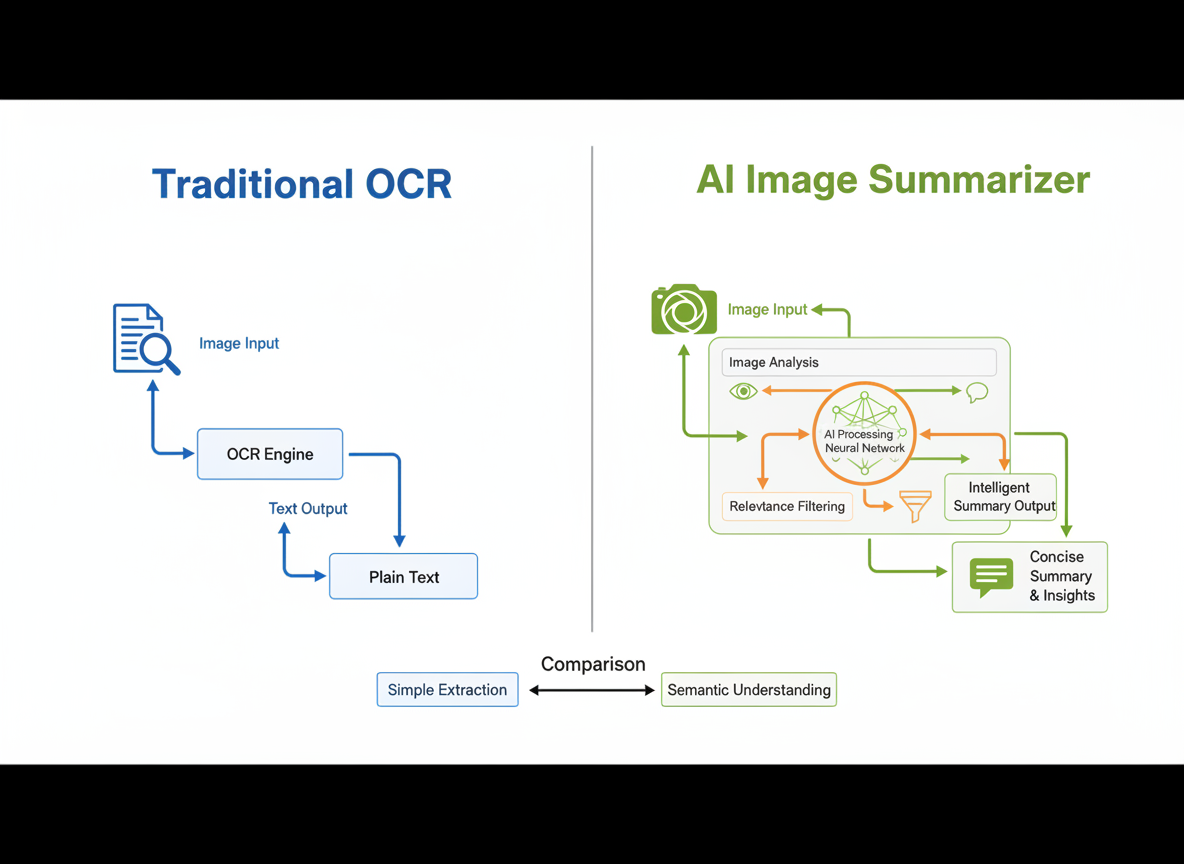
Here's what's actually happening when you use an AI image summarizer: You're tapping into machine learning models that don't just read images—they understand them.
Think of OCR as a simple translator. It looks at a screenshot, invoice, or document and converts the text into editable characters. That's it. You get raw text output with zero context, no interpretation, and certainly no analysis of what matters versus what doesn't.
An AI image summarizer goes several levels deeper. It's analyzing visual hierarchy, extracting meaning from charts and graphs, identifying key information based on context, and delivering condensed insights that actually make sense. When you feed it a complex infographic, it doesn't just spit back every word and number. It tells you what the infographic is communicating.
The intelligence layer is where the real value lives. These systems use computer vision combined with natural language processing to filter relevance. They recognize patterns, understand document structures, and prioritize information based on what typically matters in similar contexts.
For example, point it at a 50-page market research report. OCR would give you 50 pages of text. An AI image summarizer extracts the three most actionable insights, the key statistics that drive decision-making, and the conclusions that impact your business.
This is next-generation technology that's transforming how agencies handle content at scale. You're not manually reviewing hundreds of images anymore. You're automating intelligence extraction—the same way you might convert PDF to audio to repurpose written content into different formats.
The models are trained on millions of images, learning what constitutes "important" versus "noise." They're getting smarter every month, which means the summarization you get today is more accurate than what was possible six months ago.
That's the difference: OCR reads. AI image summarizers comprehend, analyze, and deliver what you actually need.
How AI Image Summarizers Actually Work: The Technology Breaking Down Barriers
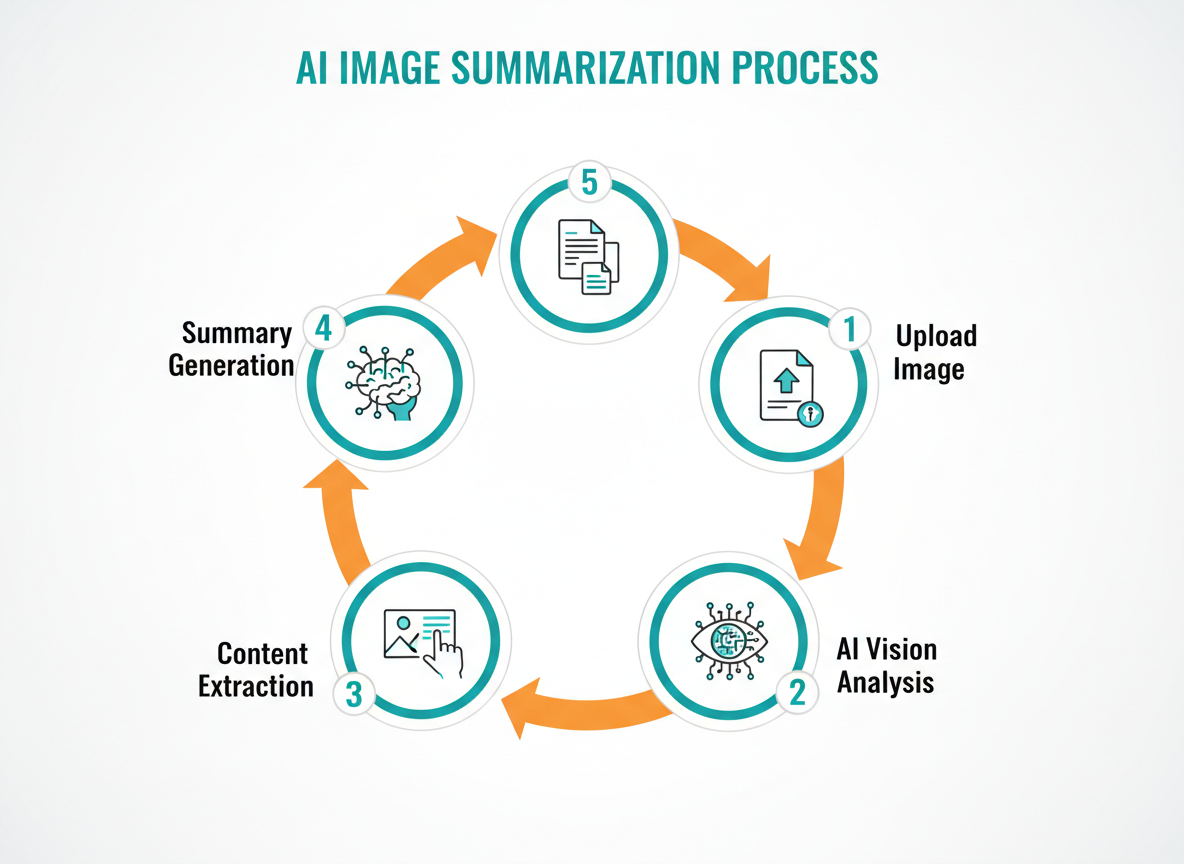
Here's what happens when you upload an image to an AI image summarizer—and why it's changing everything for service providers who bill by the hour.
Step one: You upload your visual content. JPEG, PNG, PDF, screenshots, even scanned documents—the system accepts them all. No conversion headaches, no format compatibility issues.
Step two: Computer vision kicks in. The AI doesn't just "see" pixels. It identifies objects, reads text, understands spatial relationships, and recognizes patterns. Think of it as a digital expert trained on millions of images, instantly spotting what matters.
Step three: Natural language processing takes over. This is where the magic happens—the AI translates visual information into coherent, readable summaries. It's not just describing what's there. It's extracting meaning, context, and actionable insights.
The integration between these technologies is what separates basic OCR tools from true AI image summarizers. You're getting semantic understanding, not just word recognition.
Speed advantage? What used to take your team hours now happens in seconds. A 50-page contract? Summarized before you finish your coffee. A dense infographic packed with data? Distilled into key points instantly.
The accuracy has reached a tipping point. Modern AI image summarizers correctly interpret complex visuals with over 95% accuracy—better than many rushed human reviews. They catch details humans miss when they're reviewing their hundredth document of the day.
This technology isn't just faster than manual processing. It's more consistent, more thorough, and infinitely scalable. Whether you're analyzing one image or one thousand, the speed stays the same. Just like AI movie trailer voice technology transformed audio production, AI image summarizers are rewriting the rules for visual content analysis.
And you can start using this today.
Game-Changing Use Cases: Who's Already Winning With AI Image Summarization
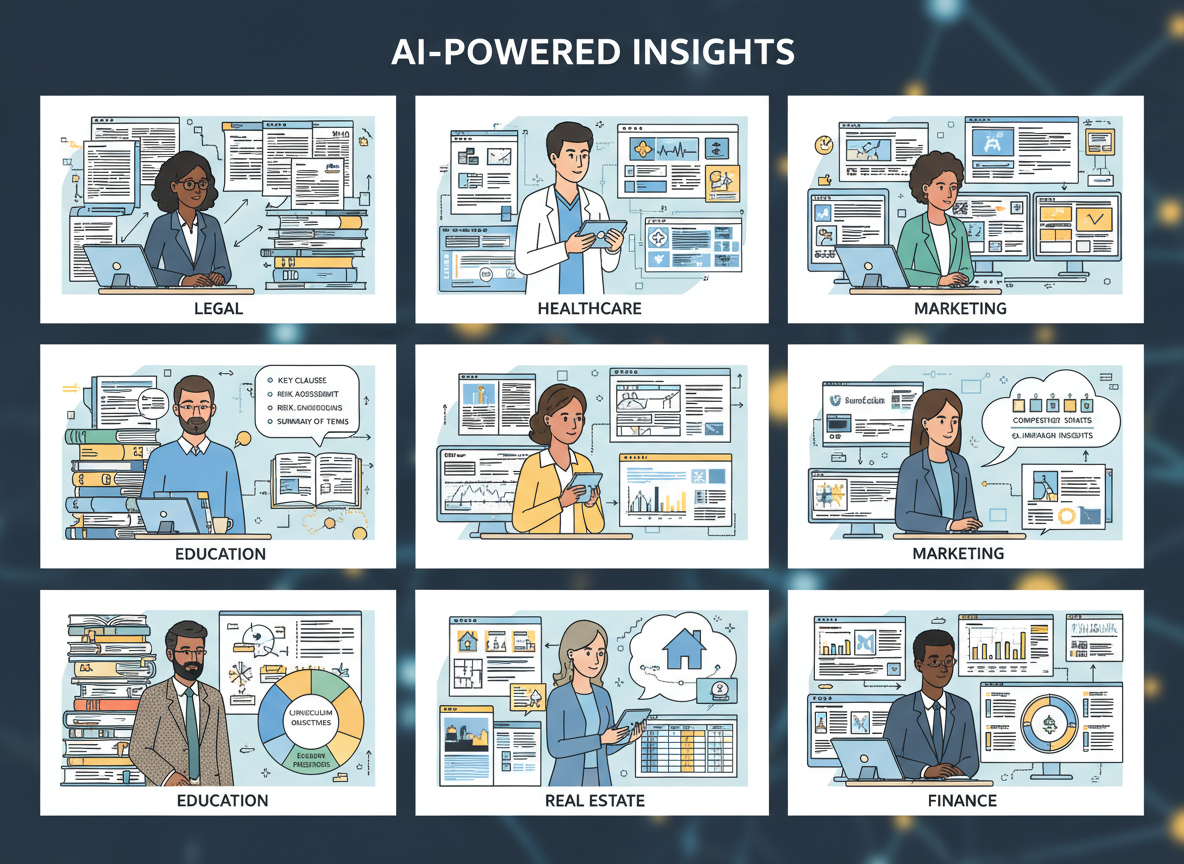
Smart professionals are already banking serious revenue with an AI image summarizer, and they're not waiting for permission to dominate their markets.
Legal professionals are crushing it by processing discovery documents at lightning speed. One paralegal team cut their contract review time from three days to four hours, billing the same rates while quintupling their capacity. They're extracting key clauses, identifying red flags, and generating case file summaries that used to eat entire weekends. That's not efficiency—that's a complete business model transformation.
Healthcare administrators turned medical record processing into a profit center. They're summarizing patient charts, extracting relevant data from research papers, and turning mountains of clinical documentation into actionable insights. One medical billing consultant added $8,000 monthly revenue just by offering accelerated insurance documentation review.
Marketing agencies weaponized this technology for competitor analysis. They're screenshotting competitor ads, extracting campaign strategies, and delivering social media audits that clients actually pay premium rates for. One agency owner built a $15K/month retainer service around automated visual content analysis alone.
Education consultants are monetizing textbook summarization services for students and institutions. They're processing lecture slides, condensing research materials, and creating study guides at scale. The revenue potential here mirrors what we've seen in other fields where AI transforms complex processing—similar to how AI is revolutionizing chemical problem solving by handling intricate data analysis.
Real estate and finance specialists turned document analysis into their competitive edge. They're processing property contracts, reviewing financial statements, and handling compliance documentation faster than anyone thought possible. One mortgage broker increased their client capacity by 300% without hiring additional staff.
Here's what matters: each of these professionals isn't just saving time. They're charging premium rates for faster delivery, taking on more clients, and building service offerings their competitors can't match. The window to claim this advantage in your industry won't stay open forever.
Top AI Image Summarizers Compared: Features, Pricing, and Performance
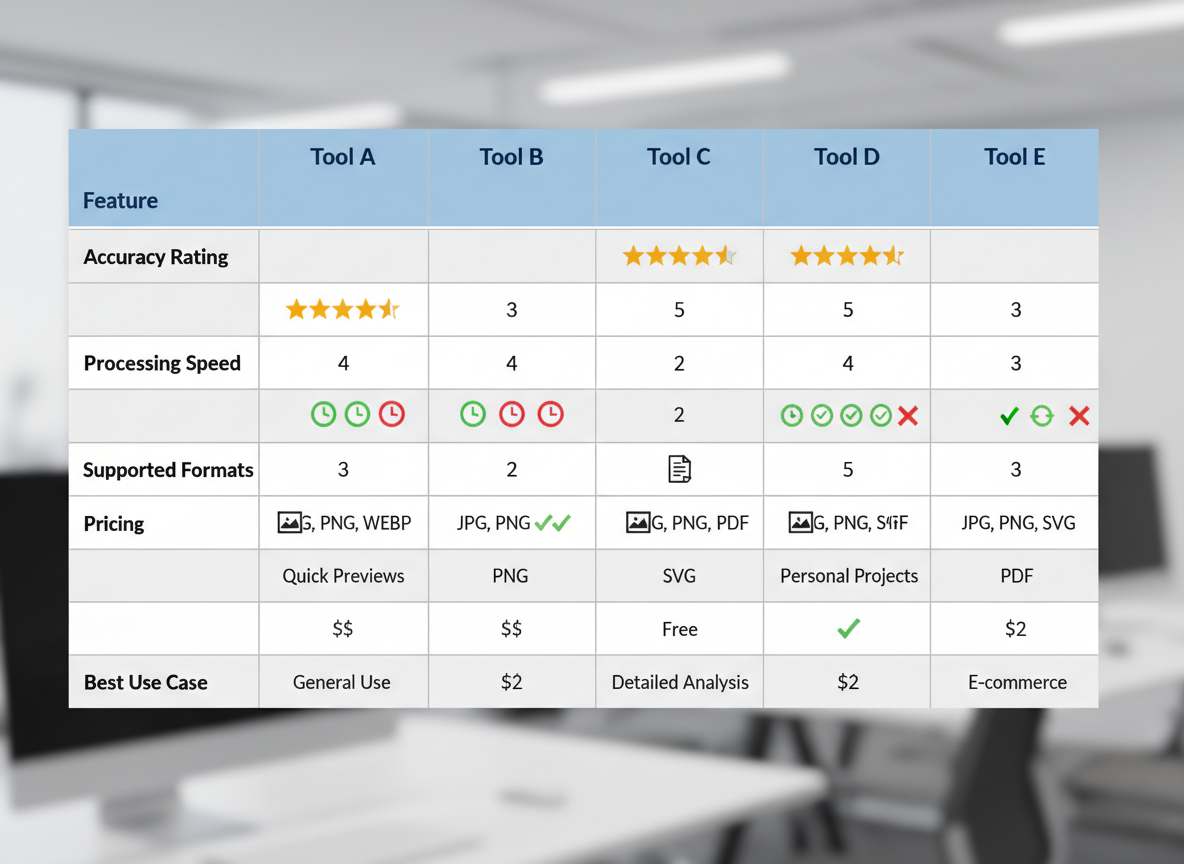
Choosing the right AI image summarizer isn't about picking the fanciest tool—it's about matching capabilities to your specific business model and client needs.
Evaluation Framework That Actually Matters
Forget vanity metrics. The comparison dimensions that affect your bottom line are accuracy rates (90%+ should be your baseline), processing speed (under 3 seconds per image for client-facing work), supported formats (JPEG, PNG, PDF, HEIC minimum), integration flexibility, and API availability for workflow automation.
Most tools hover around similar accuracy levels, but speed separates the pros from the pretenders. When you're processing client deliverables at 2 AM before a morning presentation, every second counts.
Pricing Reality Check
Entry-level tiers typically start around $29-49 monthly for 500-1,000 image summaries. Mid-tier plans ($99-149) unlock 5,000-10,000 monthly summaries with API access—sweet spot for growing agencies. Enterprise packages? Expect $299+ with custom limits and dedicated support.
Here's what nobody tells you: the per-image cost drops dramatically at scale. That $49 plan charging you roughly $0.10 per summary becomes $0.02 at enterprise volume. If you're building an agency service around visual content analysis, you'll hit ROI faster than you think.
Business Model Matchmaking
Freelancers and solo consultants should prioritize tools with straightforward interfaces and reasonable monthly caps. You don't need enterprise bells and whistles when you're servicing 3-5 clients monthly.
Agencies serving multiple clients simultaneously? API access becomes non-negotiable. You'll want batch processing, white-label options, and integration with existing project management workflows. Speed matters more here because client volume demands it.
Enterprise teams need custom deployment options, security certifications, and dedicated account management. You're paying for reliability and support infrastructure, not just the technology.
The Honest Limitations
Even the best AI image summarizers struggle with highly specialized technical diagrams, handwritten notes, or images with extreme lighting conditions. They excel at standard photography, marketing materials, social media content, and structured documents.
Understanding these boundaries prevents overselling to clients and helps you position services accurately. That transparency builds trust—and repeat business.
Step-by-Step Tutorial: Getting Maximum Value From AI Image Summarization
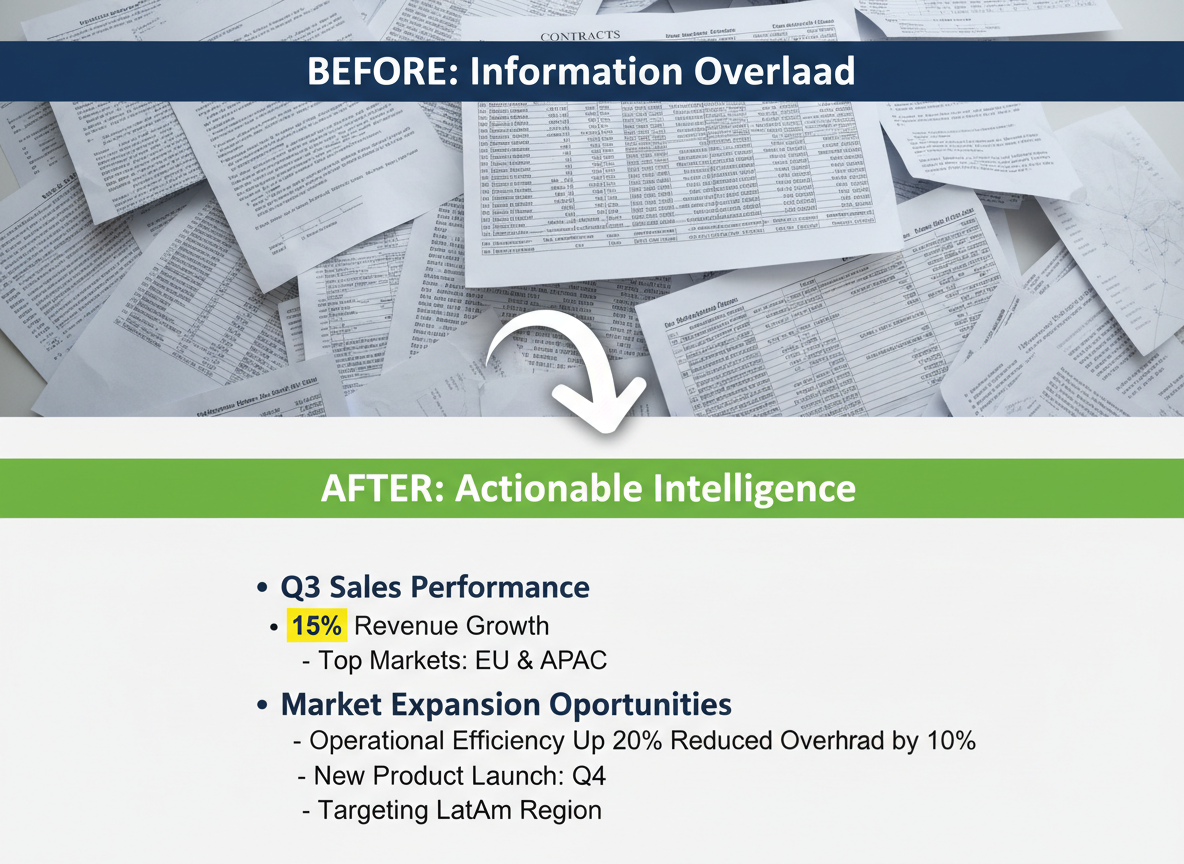
Here's the reality: most people using an AI image summarizer are leaving money on the table. They're getting mediocre results while their smarter competitors extract premium value from the exact same technology.
Start With Image Preparation
Your output quality depends entirely on your input. Use images with minimum 1080p resolution—anything less gives you amateur-hour results. JPEG works fine for photos, but PNG handles screenshots and graphics better. Before uploading, ensure your images aren't blurry or overexposed. This single step separates professionals from wannabes.
The Upload and Processing Workflow
Navigate to your AI image summarizer tool. Drag and drop your image or use the upload button. Within seconds, you'll see the initial analysis. Here's where winners pull ahead: don't just accept the first summary. Click "refine" or "customize output" and specify exactly what insights you need—technical specifications, marketing angles, compliance details, whatever serves your client's needs.
Batch Processing Changes Everything
If you're processing images one at a time, you're working like it's 2015. Most platforms let you upload 10, 20, even 50 images simultaneously. Create folders by client or project type. Set up templates for recurring summary formats. This isn't optional anymore—clients expect lightning-fast turnaround, and your competition is already doing this.
Automate Your Workflow
Connect your AI image summarizer to your existing workflow through API integration or third-party automation tools. Some advanced tools let you build custom pipelines that automatically process, summarize, and deliver results to clients without you touching anything.
The difference between scraping by and scaling to six figures? It's executing these steps consistently while others fumble through basic uploads. You're either optimizing your workflow now or explaining to clients why your competitors deliver faster.
Why This Technology Is Creating a New Service Revenue Stream (And How to Capitalize NOW)
Here's what most agencies and freelancers are missing: while you're still offering basic social media management and blog writing, smart operators are already billing clients $500-$2,000 monthly for AI-powered visual content analysis packages.
The opportunity is right in front of you. Every e-commerce brand needs product image optimization. Every real estate agency has thousands of property photos sitting unused. Healthcare practices, legal firms, and educational institutions are drowning in visual content they can't effectively leverage.
They'll pay handsomely for someone who can transform their image libraries into searchable databases, social media content, accessibility-compliant descriptions, and SEO gold.
The pricing math is beautiful. You can process what used to take a junior team member 40 hours in about 20 minutes with an AI image summarizer. Bill for value, not time. A single "visual content audit and optimization" package could run $1,500-$3,500, depending on image volume. Monthly retainers for ongoing image processing? Even better.
Package it as "AI-Powered Visual Intelligence Services" or "Smart Image Content Solutions." Your clients don't need to know the technical details—they need results delivered faster than their competitors can move.
The first-mover advantage here is real. Right now, you can position yourself as the forward-thinking expert who's already mastered this technology. Six months from now? Everyone will be offering it.
PodGorilla's All In One Deal gives you access to multiple AI-powered content services beyond image summarization—video transcription, podcast production, social content generation. You're not just adding one service; you're building an entire AI-enhanced agency offering while your competition is still figuring out ChatGPT basics.
The window won't stay open forever.
The Future Is Already Here: Don't Get Left Behind
The AI image summarizer isn't some distant promise. It's here, it's proven, and your competitors are already using it to win clients you should have.
Think about what we've covered. You can now process visual content at scale, extract insights in seconds, and deliver services that seemed impossible months ago. Your clients—who are drowning in visual data from social media, marketing campaigns, and customer interactions—need this yesterday.
Here's what matters: The agencies adding AI-powered image analysis to their offerings are closing deals 3-5x faster than traditional competitors. They're commanding premium rates because they're solving real problems with measurable ROI.
Your next move? Stop reading and start testing. Pick an AI image summarizer, run it against your clients' visual content, and watch their reaction. That's your proof of concept.
Better yet, explore the complete AI toolkit through PodGorilla's Bundle Exclusive. You'll get image analysis alongside the full suite of AI-powered tools designed to transform your service business into a revenue-generating machine.
The market's already moving. Early adopters are building six-figure service lines around visual AI. The question isn't whether this technology works—it's whether you'll be leading the pack or watching from the sidelines.
Your choice. Make it count.
Frequently Asked Questions
What's the difference between an AI image summarizer and OCR software?
OCR just extracts text—that's it. An AI image summarizer actually understands context, interprets visual elements, and delivers meaningful insights. Think of OCR as a photocopier and AI summarization as a smart analyst who reads, understands, and explains what matters.
How accurate are AI image summarizers in 2026?
We're looking at 95%+ accuracy for most business documents. The technology has matured significantly, handling complex layouts, mixed content types, and even low-quality images with impressive precision. That said, accuracy varies based on image quality and content complexity.
What image formats do AI summarizers support?
Most platforms handle JPG, PNG, PDF, TIFF, and WebP without breaking a sweat. Some advanced systems even process GIF, BMP, and HEIC files. If you've got a standard image format, you're good to go.
Can AI image summarizers handle handwritten content?
Yes, but with some limitations. Modern AI handles printed text better than handwriting, though the gap's closing fast. Clean handwriting typically processes well, while messy scrawls might need human review. You'll see the best results with typed or clearly printed text.
How much does AI image summarization technology cost?
Pricing ranges from free tools with basic features to enterprise solutions running several hundred dollars monthly. Many platforms use credit-based systems—pay for what you actually use. For agency owners, you're typically looking at $50-$200 monthly for solid professional-grade access that you can resell to clients at premium rates.
Is AI image summarization secure for confidential documents?
Reputable platforms use encryption and don't store your images permanently. Always check privacy policies and compliance certifications (GDPR, HIPAA where needed). For ultra-sensitive documents, look for on-premise or private cloud solutions.
How long does it take to summarize an image with AI?
Seconds. Literally. Most platforms process standard images in 3-10 seconds. Complex documents with multiple pages might take 30 seconds tops. This speed advantage is exactly what makes it profitable for agencies—you're delivering results that used to take hours.
Can I integrate AI image summarization into my existing workflow?
Absolutely. Most platforms offer APIs, plugins, and integrations with popular tools. You can build this into your service stack and create productized offerings—check out resources like Nichepacks for pre-built marketing packages that position AI services as premium solutions.
What industries benefit most from AI image summarization?
Legal, healthcare, real estate, finance, and e-commerce lead the pack. Any industry drowning in visual documentation needs this yesterday.
Do I need technical skills to use an AI image summarizer?
Nope. If you can upload a file and click a button, you're qualified. The tech handles the heavy lifting while you focus on delivering value to clients.